
You did not need a blockchain explorer to spot this one.
Bitcoiners have been calling HEX a Ponzi since 2019. They were told they were jealous. They were told they did not understand “the first blockchain certificate of deposit.” They were told the man behind it was a genius who was going to make everyone rich.
On Saturday, October 17, Turkey’s Justice Minister said the quiet part out loud. Richard James Schueler — the man the internet knows as Richard Heart, founder of HEX, PulseChain and PulseX — was taken into custody in Istanbul, and the inventory of what police pulled out of his life reads like a receipt for everything his buyers lost.
$7.15 million in cash. Six cold wallets. Seven firearms.
The raid happened at dawn on Wednesday, October 14, in Istanbul’s Beşiktaş district. Turkish police worked with the National Intelligence Organization, searched 15 properties across Beşiktaş, Üsküdar and Sarıyer, and detained Schueler, his wife and three bodyguards.
Here is what the Justice Minister, Akın Gürlek, listed as recovered:
- ~$7.15 million in US currency plus 160,000 Turkish lira
- Six cryptocurrency cold wallets — contents still undisclosed
- 300 bags, 100 pairs of shoes, 136 pairs of glasses, 28 watches and 97 pieces of jewellery
- 29 phones, 12 laptops, 19 storage drives, 46 USB devices and 19 graphics cards
- Seven firearms and 1,400 rounds of ammunition
Several luxury vehicles were impounded too. Fifteen properties. That is not a man living in fear of a margin call. That is a man living in a showroom.
He was tracked through his own wallets
According to Turkish reporting, investigators followed “suspicious” digital wallet activity moving millions of dollars in tokens, traced to an Istanbul IP address. Police believe Schueler had set up an Istanbul-based international fraud network with victims in the United States, Finland and Spain.
The Justice Minister was blunt: “We will not allow anyone to view Turkey as a safe harbor for evading justice.”
And the charge sheet is not small. Gürlek described an INTERPOL red notice tied to allegations of a $1 billion cryptocurrency fraud. Finland has separately investigated aggravated tax fraud involving hundreds of millions of euros.
To be precise, because precision is the thing this space never gets: these are allegations. There is no conviction. A red notice is not an international arrest warrant.
The part they will not put in the trailer
In 2023 the US Securities and Exchange Commission charged Heart over unregistered offerings that raised more than $1 billion, and accused him of misappropriating at least $12 million of customer money.
In February 2025, a federal judge dismissed the case — not because the conduct was fine, but because the SEC could not prove Heart had “substantial” contact with the US buyers. The regulator was then invited to refile and declined to.
He walked. He posted about it. He kept selling.
Then the market did what markets do. PulseChain’s PLS token fell roughly 45–50% to around $0.059. HEX lost more than a third of its value. PulseX got hit the same way. In the space of a few days, the “certificate of deposit” that was sold to retail as a high-yield savings account did what every unregistered yield promise eventually does: it repriced to reality, and the only people who got out clean were the ones who were never in it.
This is the difference, and it is not a small one
Look at the two systems side by side.
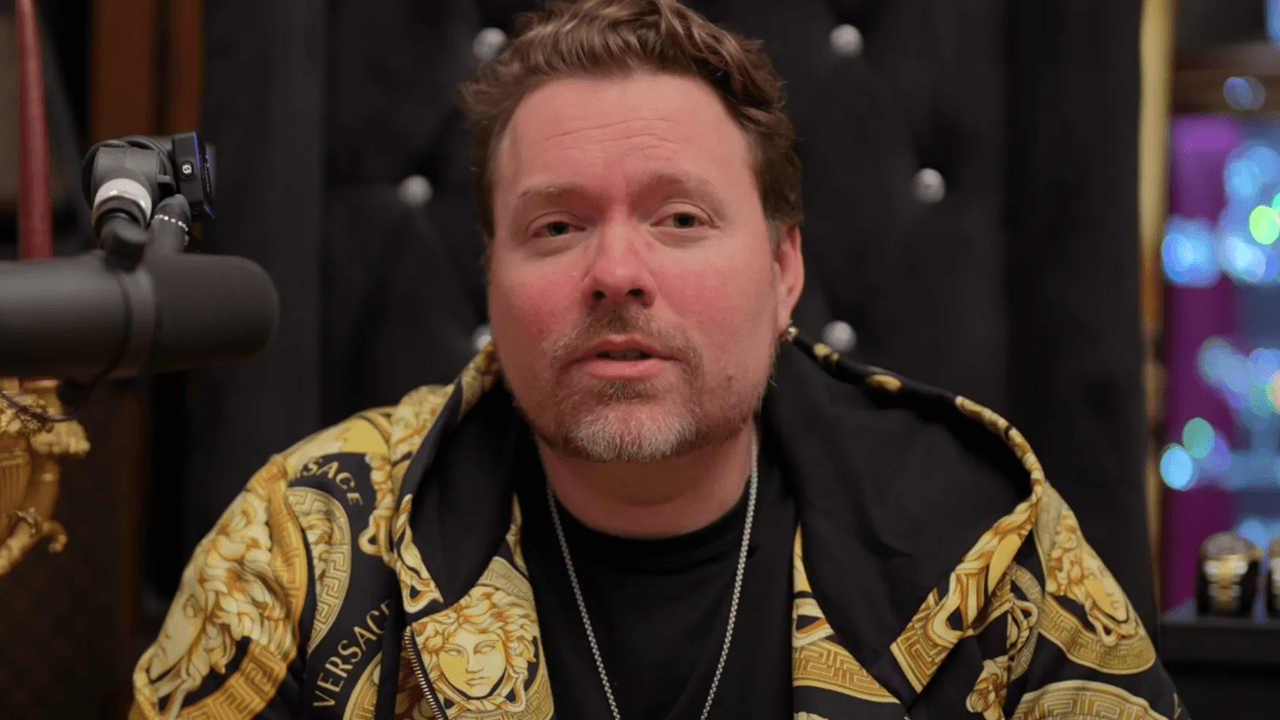
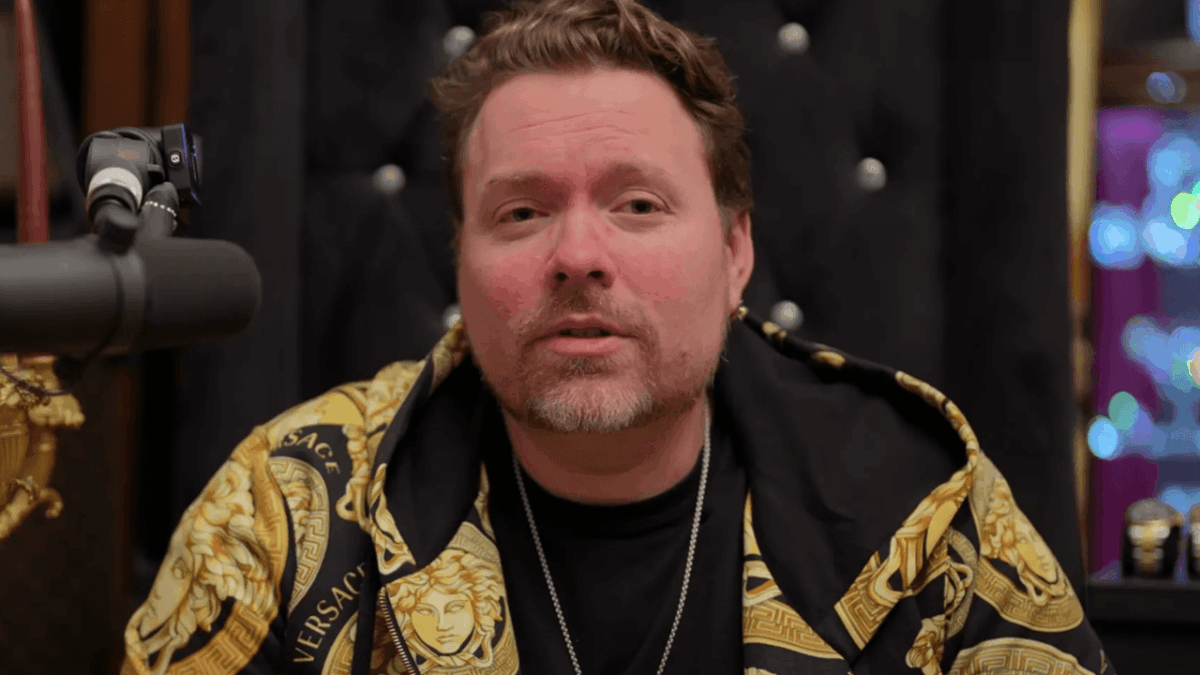
One has a founder. A face. A podcast mic. A Versace jacket. A marketing wallet. A promise of passive yield. Somebody to arrest, somebody to blame, somebody whose bags of cash get laid out on a table for the cameras.
The other has no founder to detain, no marketing budget to seize, no treasury to misappropriate, no promise of yield that has to be paid by the next buyer. Just 21 million coins, a public ledger, and the responsibility sitting where it always should have: with you.
Every few years, the same machine runs again. A charismatic man in expensive clothing tells retail that the boring asset is for boomers and that his token is the upgrade. Retail sells real Bitcoin to buy the upgrade. The upgrade collapses. The man buys another watch.
Then, eventually, somebody opens a door at dawn.
The one thing he cannot buy back
Heart’s supporters are already saying Turkey is being unfair, that he would get a fairer process in the United States. Maybe. It will not matter to the people who bought at the top of the marketing cycle and are now down half.
This is why self-custody is not a slogan. When you hold your own keys, no founder’s arrest can freeze your position, no exchange can gate your exit, no ministry can decide your funds are evidence, and no pitch deck can dilute you into nothing.
And if you are going to buy Bitcoin, do not do it through a casino with a personality attached to it. Buy it and take it off the exchange. Here is where to start — and it pays to use the code:
Coupon: LOVEISBITCOIN
Buy Bitcoin non-custodially: https://loveisbitcoin.com/bull
The wallets in that evidence room are still sealed. Somebody is going to open them. Do you think the people who funded them will ever see a satoshi — or is that exactly what you were promised the last time somebody told you to trust a founder instead of a protocol?
BITCOIN HOLDERS CALLED IT A PONZI FOR YEARS. NOW TURKEY FOUND $7.15 MILLION IN CASH, 300 HANDBAGS AND SEVEN GUNS WHERE HEX'S FOUNDER WAS LIVING.