
Quick Summary
- Nahum Reynaldo Castro, 40, a Miami IT worker, was arrested for stealing nearly $2 million in Bitcoin from his former employer
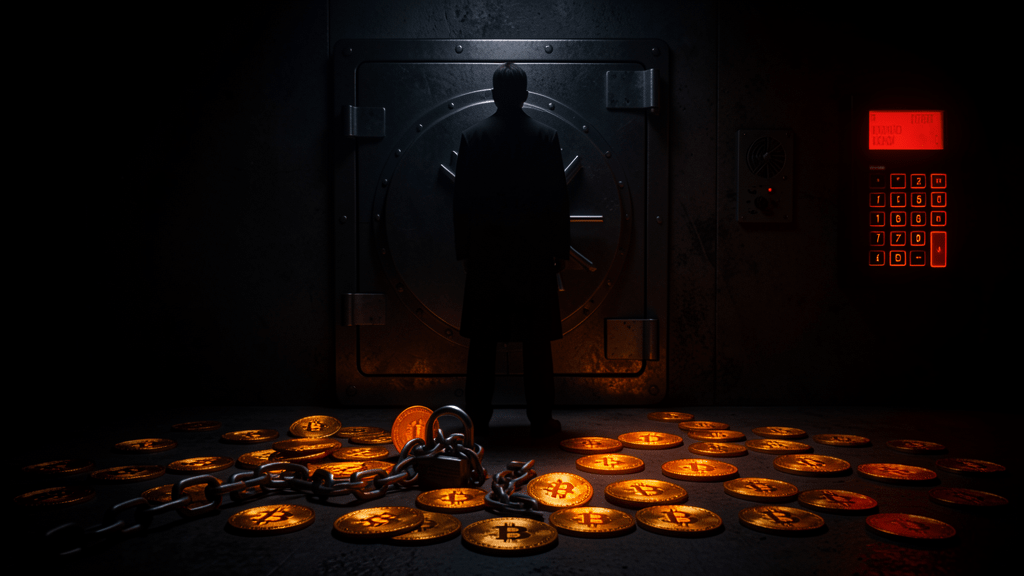
- The theft happened in 2020 but went undetected for over 5 years while the Bitcoin sat in a hardware wallet locked in a safe
- Only two people knew the seed phrase: the victim and Castro
- Bank records showed deposits matching Bitcoin wallet withdrawals, linking Castro to the crime
- Castro faces charges of grand theft, money laundering, and computer crimes
What Happened
In December 2017, a Miami businessman began buying Bitcoin as a long-term investment. He bought a hardware wallet and trusted his IT employee — Nahum Reynaldo Castro, 40, who had worked for him since 2013 — to set it up and handle security.
By January 2018, Castro had secured over $217,000 worth of Bitcoin in the wallet. The device was locked in a safe inside the victim’s home. It stayed there, untouched, for years.
In July 2025, while moving homes, the victim opened the safe and accessed the wallet — only to find it completely empty.
The Bitcoin had been stolen in 2020. By the time the victim discovered the theft, the value had grown to over $1.9 million, according to the arrest report obtained by NBC 6.
Investigators quickly narrowed the suspect list. Only two people knew the wallet’s seed phrase: the victim and Castro. Bank records sealed the case — deposits into Castro’s accounts aligned precisely with withdrawals from the Bitcoin wallet.
Castro continued working for the victim until 2024, four years after the theft. He was arrested Tuesday on charges of grand theft, money laundering, unlawful use of a communications device, and offenses against computer users.
Why This Matters for Bitcoin
This story hits every major Bitcoin security lesson at once.
First, seed phrase exposure is game over. The seed phrase is the master key to a Bitcoin wallet. Whoever has it owns the coins, period. In this case, the wallet was physically locked in a safe, but the seed phrase existed in someone else’s memory. The safe was irrelevant.
Second, trust in setup is the most vulnerable moment. The victim didn’t make a beginner mistake like typing his seed phrase into a phishing site. He did something that feels reasonable — he asked his IT guy to set up the wallet. One moment of delegated trust, and $1.9 million disappeared.
Third, Bitcoin doesn’t care who you trust. The blockchain doesn’t know whether a withdrawal was authorized by the owner or by someone who memorized the seed phrase seven years ago. Transactions are final. That’s a feature — until it works against you.
This isn’t the first time an insider has abused access to Bitcoin. The U.S. government itself had a similar problem when an insider stole $40 million in Bitcoin from seized funds.
The Love Is Bitcoin Takeaway
Here’s the uncomfortable truth: the victim in this story did everything right by the book. Hardware wallet. Locked in a safe. Long-term hold. And it still got stolen.
Because he gave someone else access to the seed phrase.
The entire point of Bitcoin is that you don’t have to trust anyone. No bank teller. No exchange CEO. No IT guy. The technology gives you the ability to be your own bank — but only if you actually take responsibility for the keys.
If you’re holding more than you’re willing to lose, learn how a seed phrase works. Write it down yourself. Store it yourself. Never let anyone else see it — not your spouse, not your IT guy, not your lawyer.
There is no customer support number for Bitcoin. There is no chargeback. There is only the seed phrase. Guard it like the key to everything you own, because that’s exactly what it is.
What Beginners Should Do Next
- Learn the difference between a hardware wallet and an exchange account
- Understand what a seed phrase is and why it must never be shared with anyone
- If you need help setting up a wallet, use official guides from the wallet manufacturer — not a friend, employee, or family member
- Never type your seed phrase into any website, app, or phone call
- Consider a multi-signature setup for larger amounts, where multiple people are needed to authorize a transaction
FAQ
Can someone steal Bitcoin from a hardware wallet if they don’t have the physical device?
Yes, if they have the seed phrase. The seed phrase is a backup that can restore the wallet on any compatible device. Physical possession of the hardware wallet alone doesn’t protect you if someone else knows the seed phrase.
What is a seed phrase?
A seed phrase (also called a recovery phrase) is a list of 12 or 24 words that acts as the master key to a Bitcoin wallet. Anyone who has these words can access and spend the Bitcoin in that wallet.
How did the IT worker steal the Bitcoin if it was in a safe?
The wallet’s seed phrase existed in the IT worker’s memory (he set up the wallet). He didn’t need physical access to the safe — he could restore the wallet on any device using the seed phrase and spend the funds remotely.
Can stolen Bitcoin be recovered?
Rarely. Bitcoin transactions are irreversible. Law enforcement can sometimes trace stolen funds on the public blockchain and, with exchange cooperation, freeze them if the thief tries to cash out through a regulated platform. But the coins themselves cannot be reversed.
Is it safe to let someone help me set up my Bitcoin wallet?
Only if you generate and secure the seed phrase yourself. Never let anyone else see or generate your seed phrase. Use a wallet’s official setup guide instead.
What charges did the Miami IT worker face?
Grand theft, money laundering, unlawful use of a communications device, and offenses against computer users.
How long was the theft undetected?
Over five years. The theft occurred in 2020, but the victim didn’t access the wallet until July 2025.
Is this financial advice?
No. This article is for educational purposes only. Always do your own research and consult a qualified professional for financial decisions.
Final Thoughts
Betrayal stories like this are painful reminders that Bitcoin’s security model doesn’t protect you from the people you trust. The technology works exactly as designed — the coins moved because someone with the right key authorized it. The failure was human, not technical.
That’s the trade-off of self-sovereignty. No one can freeze your Bitcoin, but no one can get it back for you either. Learn the security basics before you need them. Your future self will thank you.
This article is for education only and is not financial advice.