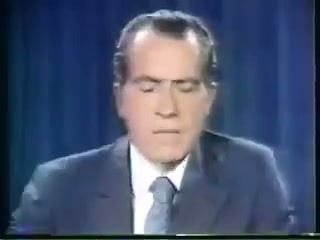

On a Sunday evening, August 15, 1971, Richard Nixon interrupted the broadcast of Bonanza to inform Americans that the dollar they held was now backed by nothing but his word.
He called it “temporary.” Fifty-plus years later, you are still waiting for the temporary part to end.
How The Receipt Became The Money
Under Bretton Woods, foreign governments could exchange their dollars for gold at $35 an ounce. The dollar was a receipt. Gold was the money. Washington printed receipts far faster than it dug gold out of the ground, financing Vietnam and Lyndon Johnson’s Great Society with the same press. De Gaulle noticed. So did others. France sent a warship to collect its gold, and the run was on.
Three Choices, He Chose The Worst
Nixon had two honest choices: stop spending, or admit the dollar was overissued. He chose a third option. He defaulted, then blamed “international speculators” for the mess his own Treasury created. Classic.
Confiscation In Slow Motion
He promised the dollar’s action would “stabilize” prices. Consumer prices roughly quadrupled over the next forty years. A 1971 dollar buys you about fourteen cents of goods today. That is confiscation in slow motion, and it hit wage earners and savers hardest — the people holding cash rather than assets that float upward on the new tide of credit.
The Mechanism
Sever money from a physical anchor and you hand politicians an unlimited overdraft. Every deficit, every bailout, every war since 1971 rode on that Sunday broadcast. Ludwig von Mises died in 1973, having spent decades explaining exactly this.
Nixon called it “protecting” the dollar. He meant emptying it. You have been paying the invoice ever since.