
Quick Summary
- On-chain data from Arkham Intelligence showed approximately 13,000–14,000 BTC moving from wallets labeled "Government of Bhutan" — worth roughly $1 billion at current prices
- Druk Holding and Investments (DHI), Bhutan’s sovereign wealth fund, told CoinDesk it "doesn’t recall" selling any Bitcoin and suggested the movements were internal treasury management
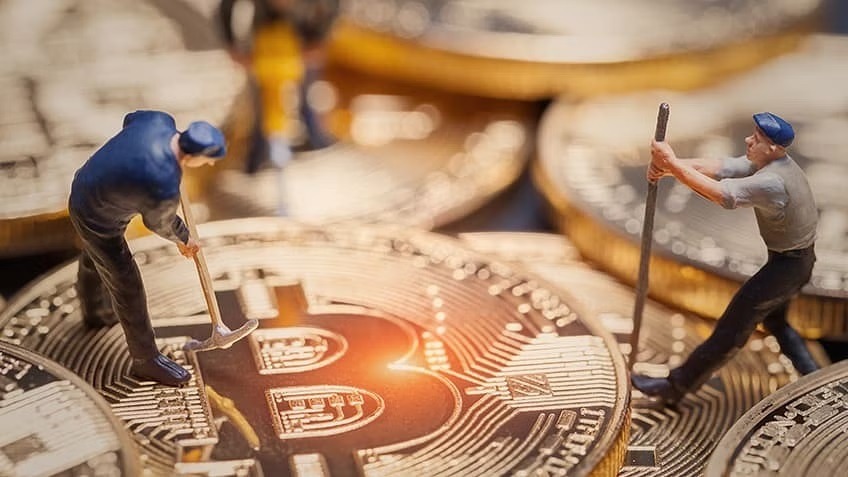
- Bhutan has been quietly mining Bitcoin since ~2022 using its abundant hydroelectric power, one of the cheapest sources of energy on the planet
- The $1 billion figure is based on ~13,000 BTC moved at ~$77,000–$80,000 per coin on the dates of the transfers
- The story highlights a core tension in Bitcoin: on-chain data is transparent, but interpreting intent remains an art, not a science
What Happened
On May 14–15, 2026, blockchain tracking firm Arkham Intelligence flagged significant outflows from a cluster of Bitcoin wallets it had previously labeled as belonging to the Government of Bhutan and Druk Holding and Investments (DHI) — the Himalayan kingdom’s sovereign wealth fund.
Approximately 13,000 to 14,000 BTC — worth roughly $1 billion at the ~$77,000–$80,000 trading range — moved through multiple transactions. Some coins were consolidated into larger UTXOs, others were distributed to fresh addresses. The pattern was unusual enough that on-chain analysts and crypto news outlets flagged it as a potential sale or liquidation.
CoinDesk reached out to Druk Holding and Investments for comment. The response was notably informal for a sovereign wealth fund:
A DHI spokesperson said they "don’t recall" selling any bitcoin and disputed the characterization that the movements represented a sale or liquidation.
The spokesperson suggested the transfers could have been an internal rebalancing, wallet consolidation, or custodian change — not an outright sale.
The story was picked up by multiple outlets including The Block, Bitcoin Magazine, Decrypt, and CryptoSlate within hours. On social media, the phrase "don’t recall" became an instant meme, with Bitcoiners contrasting it against the German government’s very public 2024 BTC sale.
Why This Matters for Bitcoin
This story cuts to the heart of something unique about Bitcoin — and something most people still don’t understand.
In traditional finance, when a sovereign wealth fund moves money, nobody knows. The transactions are invisible, settled between banks, recorded in ledgers nobody can see. You trust the fund’s word or you don’t. There’s no way to verify.
Bitcoin flips that completely.
When Bhutan’s wallets moved, anyone in the world could see it in real time — and so could CoinDesk, Arkham, and every on-chain analyst. The movement was visible before the government even responded.
That transparency is both a feature and a source of confusion. Just because coins move doesn’t mean they’re being sold. Bhutan could be telling the truth — moving to a new custodian, rebalancing cold storage, or switching wallets after a security review. Or they could be selling quietly through OTC desks that don’t show up on exchange deposit addresses.
Either way, the key point is: Bitcoin makes sovereign finance visible in a way that was never possible before. Every government, every corporation, every fund that holds Bitcoin is subject to a level of public scrutiny that fiat-based treasuries have never experienced.
That’s a feature. Not a bug.
The Love Is Bitcoin Takeaway
There’s something deeply satisfying about a small Himalayan kingdom quietly mining Bitcoin with hydroelectric power, accumulating a billion-dollar stash, and then telling the world "we don’t recall" when the blockchain catches them moving coins.
It’s almost poetic.
Bhutan isn’t some Wall Street hedge fund buying Bitcoin as a speculative bet. They’re a real country with real physical constraints — limited land, a small population, but abundant water power. They found Bitcoin mining as a way to turn that excess electricity into a sovereign savings account. That’s the kind of grassroots adoption that doesn’t make headlines on CNBC but matters more than any ETF inflow number.
The "don’t recall" line, as funny as it is, also highlights something important: governments are not your friends in Bitcoin. When a sovereign fund holds your asset of choice, they answer to their own citizens and their own treasury needs — not to you, not to the market. If Bhutan did sell (and we may never know for certain), that’s their right. They mined those coins. They earned them.
But it’s also a reminder that Bitcoin’s value proposition is self-sovereignty, not reliance on state actors. Countries holding Bitcoin is bullish for adoption, but your Bitcoin in your wallet is worth more than a billion dollars in a country’s cold storage.
Internal link: Compare this with how corporate Bitcoin treasuries work — read about Strategy’s $12.5B paper loss and the corporate treasury trap where public companies face pressures individuals don’t.
What Beginners Should Do Next
- Understand Bitcoin’s transparency: Every Bitcoin transaction is public. Anyone can verify wallet balances and movements. Tools like Arkham, mempool.space, and OXT let you watch the blockchain in real time.
- Learn the difference between a sale and a transfer: Moving coins to a new address doesn’t always mean selling. Wallets get reorganized, custodians change, and cold storage gets rotated.
- Don’t confuse sovereign holdings with your own security: Even if Bhutan is holding a billion dollars in Bitcoin, your own self-custody setup is what matters. A hardware wallet you control is worth more than any government’s Bitcoin treasury.
- Read our guide to choosing a Bitcoin wallet to understand how self-custody works in practice.
FAQ
How much Bitcoin does Bhutan own?
Based on on-chain tracking and mining estimates, Bhutan’s holdings through Druk Holding and Investments are estimated at 10,000–15,000 BTC as of early 2026. The exact amount is not publicly confirmed by the government.
Did Bhutan sell its Bitcoin?
DHI says it "doesn’t recall" selling any Bitcoin and suggests the on-chain movements were internal treasury management. The blockchain showed large transfers, but transfer ≠ sale. The real answer may never be public.
How did Bhutan get Bitcoin?
Bhutan mines Bitcoin using its hydroelectric power. Its rivers produce far more electricity than its small population needs, and Bitcoin mining turned that excess power into a sovereign Bitcoin treasury. They partnered with Bitdeer Technologies to build mining infrastructure.
Is Bhutan the only country mining Bitcoin?
No. El Salvador mines Bitcoin using geothermal energy from volcanoes. Other nations have explored state-backed mining, but Bhutan and El Salvador are the most notable examples of countries that mine Bitcoin rather than acquiring it through seizures or purchases.
Can you track government Bitcoin wallets?
Yes. Firms like Arkham Intelligence publicly label wallets belonging to governments, companies, and funds. Anyone can view these wallets and their transactions on a block explorer.
Is Bitcoin good for countries with cheap energy?
Yes — and Bhutan is a prime example. Countries with stranded or excess energy (hydro, geothermal, flared natural gas) can turn electricity that would otherwise be wasted into a store of value. This is one of Bitcoin’s most important real-world use cases.
Is this financial advice?
No. This article is for education only and is not financial advice. The movements of sovereign Bitcoin wallets shouldn’t inform your personal investment decisions.
Final Thoughts
The Bhutan story is a perfect illustration of why Bitcoin matters for the world — not just for traders and speculators, but for actual nations figuring out how to turn natural resources into economic independence. Whether they sold or not, the fact that we can even have this conversation — watching a sovereign wealth fund’s transactions from a laptop — is something no other financial system has ever made possible.
That transparency cuts both ways. It creates accountability, but it also creates confusion. Not every wallet movement is a sale. Not every government response tells the full story.
Bitcoin doesn’t solve trust. It makes it optional.
This article is for education only and is not financial advice.