
Quick Summary
- Jack Dorsey’s Block (parent company of Square) has enabled approximately 800,000 U.S. merchants to accept Bitcoin payments directly at checkout.
- Square Point-of-Sale systems (version 7.10+) now include a Bitcoin payment toggle — no extra setup required for eligible merchants.
- Block is offering merchants 5% cash back paid in Bitcoin to incentivize adoption.
- The rollout covers Square’s entire U.S. merchant base (excluding New York), reaching over 1 million sellers.
- This is Jack Dorsey’s biggest push yet to turn Bitcoin into a real-world payment medium — but there’s a catch.
What Happened
On June 27, 2026, reports broke that Block (formerly Square) was rolling out Bitcoin payment acceptance to roughly 800,000 U.S. merchants through its Square Register and Point-of-Sale systems. The feature comes with a 5% cash-back incentive paid in Bitcoin, designed to make merchants actually want to accept BTC at checkout.
This isn’t a pilot program or a “coming soon” announcement. According to multiple sources, the Bitcoin toggle is live in Square’s latest POS update (v7.10+). Merchants who already use Square hardware don’t need to do anything — the option is just there now.
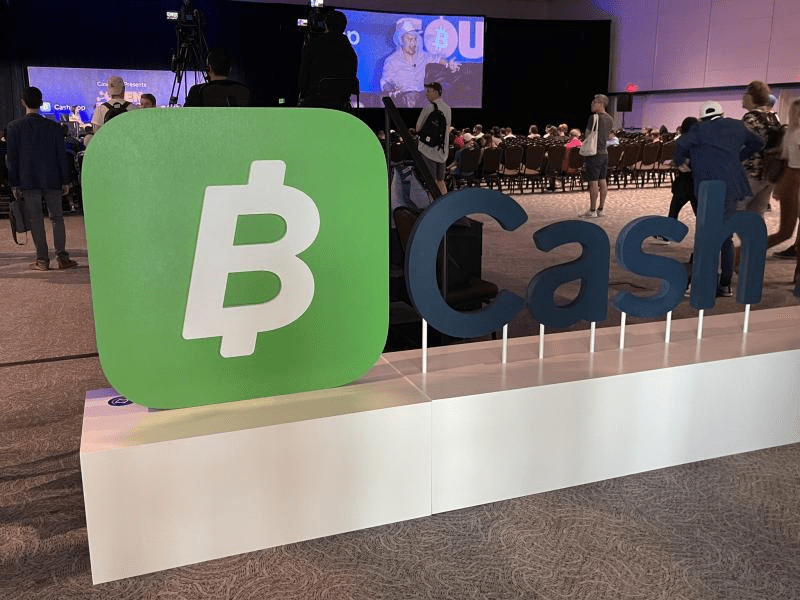
Block has been building toward this for years. Jack Dorsey has been Bitcoin’s most prominent corporate champion, pushing BTC features through Cash App, building the Bitkey hardware wallet, and now integrating Bitcoin directly into Square’s merchant ecosystem.
Why This Matters for Bitcoin
Eight hundred thousand merchants is not a rounding error. That’s more storefronts than every major retail chain in America combined.
This is the kind of adoption the “digital gold” crowd has been waiting for — real businesses, real transactions, real Bitcoin changing hands for goods and services. A circular Bitcoin economy doesn’t start with HODLers; it starts with merchants willing to accept the coin and customers willing to spend it.
But let’s be honest about what Square is doing here. This isn’t a decentralized, permissionless Bitcoin revolution. This is a corporation adding Bitcoin as a payment rail — the same way it added credit cards, Apple Pay, and buy-now-pay-later options. Square is the middleman. Square processes the transaction. Square converts, settles, and holds custody of the keys.
The 5% cashback in Bitcoin is a genius move — it incentivizes merchants without requiring them to understand or hold Bitcoin. They get the upside without the responsibility. Which is exactly the problem: they’re not actually learning how Bitcoin works.
The Love Is Bitcoin Takeaway
Jack Dorsey is Bitcoin’s best corporate ally. No question. He’s spent years building Bitcoin infrastructure, buying Bitcoin for his company’s balance sheet, and pushing financial sovereignty at a scale most of us can only dream of.
But corporate adoption is not the same as individual sovereignty. When Square processes your Bitcoin payment, they’re the custodian. They hold the keys. They decide when you can access your money. They report to regulators. They comply with sanctions. They freeze accounts when told to.
This is the tension that never goes away: adoption through custodians is adoption without education. Millions of people will now “use Bitcoin” through Square without ever understanding what a seed phrase is, how a UTXO works, or why “not your keys, not your coins” has been the industry’s most important lesson for 16 years.
Coinbase customers learned this when the AWS outage froze withdrawals. Voyager customers learned it when the exchange went bankrupt. FTX customers learned it when $8 billion vanished overnight.
Square’s Bitcoin payment toggle is a good thing. More adoption, more utility, more circular economy. But it’s step one on a ten-step journey. If you’re a Square merchant accepting Bitcoin — learn what self-custody means. Withdraw to a wallet you control. Understand the network. Don’t let convenience become dependency.
What Beginners Should Do Next
- Learn the difference between Bitcoin on Square/Cash App and Bitcoin in a wallet you control. One is an IOU. The other is property.
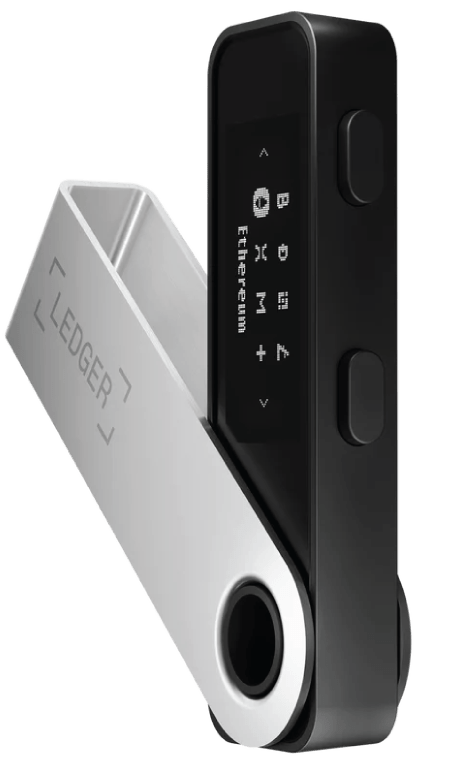
- Understand custodial vs. non-custodial. Square holds the keys. A hardware wallet puts them in your hands. These are not the same thing.
- If you’re a merchant accepting Bitcoin: set up a real Bitcoin wallet and withdraw regularly. Don’t let your daily sales sit in Square’s custody.
- If you’re a customer paying in Bitcoin: remember that you’re using a payment processor, not the Bitcoin network directly. Fees, confirmation times, and reversibility all depend on Square’s infrastructure, not Bitcoin’s.
- Start with education before diving in. Bitcoin is not complicated — but it’s different. An hour of learning can save you years of regret.
FAQ
Can I actually spend Bitcoin at my local coffee shop now?
If they use Square, yes — the payment toggle is now available. But the merchant has to enable it, and the customer needs a Bitcoin wallet (like Cash App) to pay.
Does Square control my Bitcoin?
Yes. When you pay a merchant through Square’s Bitcoin processing, Square handles the transaction. They’re the intermediary. This is custodial, not self-custodial.
Can merchants withdraw their Bitcoin to a private wallet?
That depends on Square’s settlement options. If Square settles in fiat (which most payment processors do), the merchant never touches Bitcoin directly. The 5% cashback is paid in BTC but held by Square unless withdrawn.
Is this good for Bitcoin adoption?
Yes — more merchants accepting Bitcoin is always a positive signal. But adoption through custodians creates a generation of Bitcoin users who never learn the technology. True adoption means owning your keys.
Is Block’s Bitcoin payment system different from Cash App?
Cash App is for consumers buying/sending Bitcoin. Square’s new feature is for merchants accepting Bitcoin at checkout. Same company, different products — both custodial.
What is self-custody?
Self-custody means you hold the private keys to your Bitcoin wallet. No bank, no exchange, no payment processor can freeze, seize, or restrict your funds. You are your own bank — with all the responsibility that comes with it.
Is this financial advice?
No. This article is for education and information purposes only. Always do your own research and understand the risks before using any financial product.
Final Thoughts
Jack Dorsey just gave 800,000 American businesses the ability to accept Bitcoin. That’s a massive deal — the kind of infrastructure milestone that historians will point to when they ask “when did Bitcoin go mainstream?”
But mainstream adoption through custodians is a double-edged sword. You get the convenience without the responsibility, the access without the education, the exposure without the sovereignty.
Square’s Bitcoin toggle is a door. Whether you walk through it as a customer of a payment processor or as a sovereign individual — that’s your choice to make.
Choose wisely.
This article is for education only and is not financial advice.