
Quick Summary: Google searches for “bitcoin” just hit their lowest level in 12 months. The crowd has checked out while Bitcoin quietly held the $62,000–$64,000 zone through a week of chaos. Historically, that level of apathy is exactly what bottoms look like.
What Happened
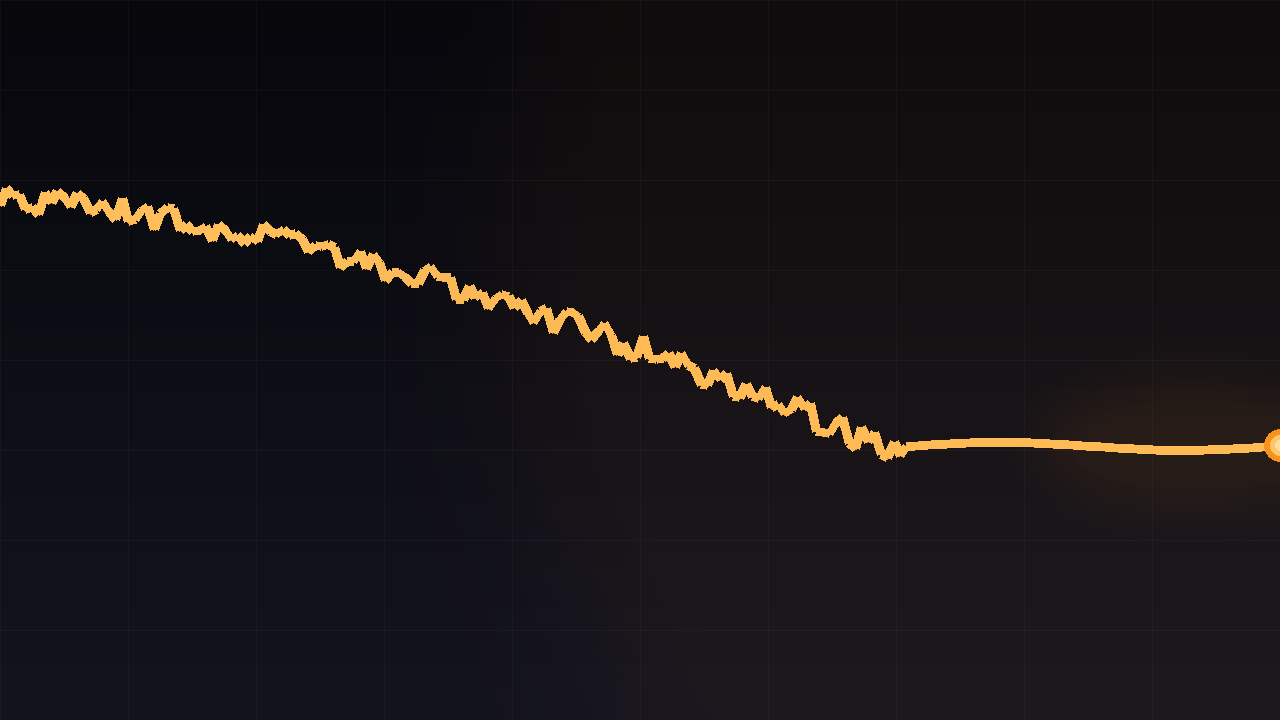
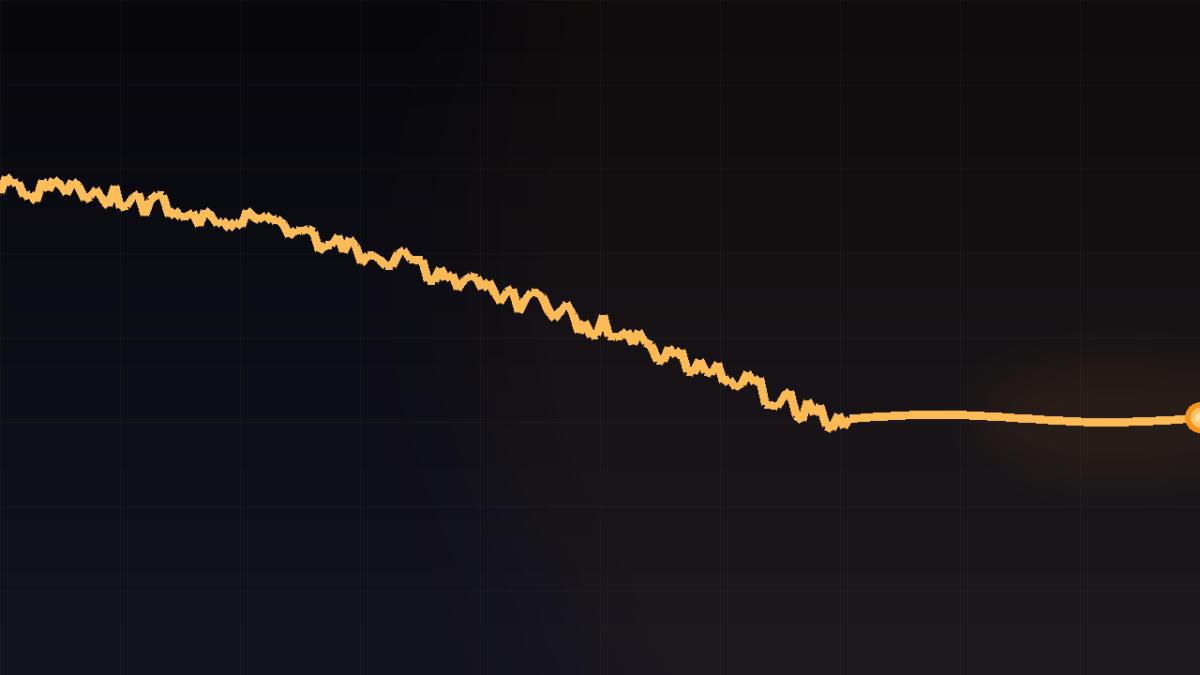
Nobody is searching for Bitcoin anymore. Google Trends data for the final week of July shows “bitcoin” search interest near a 12-month low, scraping a score around 27 out of 100. That is the kind of number you normally see in the deadest, coldest bear-market winter — not after a year where the asset climbed back off the mat.
And here is the kicker: Bitcoin does not care. It ended July up roughly 7.5%, holding the $60,000–$65,000 range it has defended for months while everything else fell apart around it — a hawkish Fed, rising bond yields, an AI-stock meltdown, and a $38 million hardware-wallet heist (yes, the Coldcard nightmare — we covered that one too).
The attention trough sits in direct contrast to what the money is doing. Bitcoin ETFs posted four straight sessions of outflows totaling $526.5 million — the exact headline that makes retail panic — and then on July 30, $233.1 million flowed right back in. BlackRock’s IBIT alone absorbed $209.6 million across the July 27–30 sessions.
Translation: the loudest voices on social media are running for the exits while institutions quietly rotate billions back in. Same playbook, different decade. The whales ate while ETF holders panicked — we literally watched them do it.
Why You Should Care
Search interest is a lagging indicator of emotion, not a leading indicator of price. When nobody is searching, nobody is panic-buying — and nobody is panic-selling either. The volatility gets squeezed out. The weak hands leave. What remains is patient money.
That is why the historical pattern matters: search-interest troughs have repeatedly lined up with market bottoms. Every cycle, the same movie plays. The crowd gets bored, moves on, and the bottom forms in silence. Then FOMO returns near the top, and the same people who ignored the entire market suddenly cannot stop typing “bitcoin price” into Google.
And while the public slept, Washington kept playing games with your portfolio. The CLARITY Act is imploding over a president’s family fortune, with passage odds down to ~30% and an August 8 recess deadline looming. And the man who built a career telling you to sell a kidney before selling your coins? He dumped $216 million of the company stack. The “never sell” crowd was selling.
The Lesson
You do not need a search engine to tell you when to pay attention. The crowd checking out IS the signal. When the search box goes quiet, that is when real accumulation happens — quietly, on-chain, in the background, by people who do not need validation from a trending chart.
This is the boring part of Bitcoin. The part that separates the people who read the whitepaper from the people who only read headlines.
FAQ
Q: Does low search interest mean Bitcoin will go up?
A: Nobody can promise direction. But historically, extreme apathy has repeatedly lined up with major bottoms — not tops. Interest peaks come with price peaks. Silence comes with opportunity.
Q: Is retail actually gone?
A: Attention is at a 12-month low. Whether that is “gone” or “waiting for a reason” is the real question — and every cycle so far, it has been the latter.
Q: What should I do with this information?
A: The same answer as always: do not take financial advice from a website. Learn the pattern, do your own research, and if you hold, hold on hardware you control — not an exchange’s IOU. If you want to start stacking the honest way, grab a hardware wallet through our partner Bull Bitcoin and use coupon code LOVEISBITCOIN at checkout — it supports this site and keeps your coins off exchanges.
Final Thoughts
Bitcoin does not need your attention. It does not need your searches, your likes, or your validation. It just keeps its head down, mines blocks, and waits for the crowd to come back — and every single time, the crowd comes back at the worst possible price.
So while nobody is searching, maybe now is the moment to ask yourself the only question that actually matters:
Are you paying attention when it’s quiet — or only when it’s loud?