THE POLICE STOLE 50 BITCOIN FROM THEIR OWN EVIDENCE LOCKER — THE CRIMINAL IS THE ONE WHO REPORTED IT

You have been told your entire life that the state keeps your money safe. Here is what happens when the state holds Bitcoin: it gets stolen. Not by hackers. By the cops.
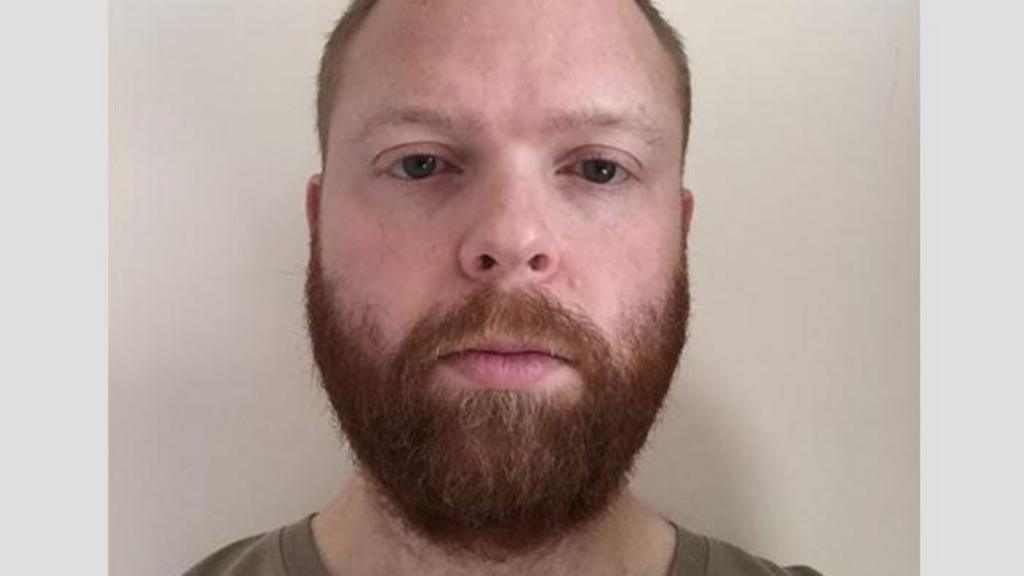
Paul Chowles, 44, from Bristol, was the National Crime Agency officer who led the technical work on Silk Road 2.0 — the man who pulled the cryptocurrency off the devices seized from convicted dark-web operator Thomas White. He had the keys. He was the trusted one.
Between May 6 and 7, 2017, he moved 50 Bitcoin out of White’s "retirement wallet" into an address he controlled. Then he broke the coins into smaller amounts and pushed them through Bitcoin Fog, a mixing service, to bury the trail.
Ninety-seven Bitcoin had been seized from White. Fifty of them walked out of the NCA’s own evidence chain, and the agency’s first conclusion was that the criminal must have done it himself — because he had the technical knowledge. By late 2021, investigators had written the coins off as untraceable.
The only reason Paul Chowles got caught is that the criminal would not shut up. White kept insisting that whoever took his Bitcoin worked inside the NCA, because the NCA held his private keys. Merseyside Police ended up investigating. They arrested Chowles in May 2022. On him: an iPhone tied to a transfer account, and notebooks in his office containing usernames, passwords and statements for White’s own cryptocurrency accounts.
He was dismissed by the NCA on 11 July 2025, and five days later Liverpool Crown Court gave him five years and six months for theft, transferring criminal property, and concealing criminal property.
Now here is the part they want you to skim past.
When Chowles stole those 50 Bitcoin in 2017, they were worth about £60,000. That is the number. That is the crime.
This week the Crown Prosecution Service came back with a confiscation order for £1,810,678.93 — and the CPS said out loud what built that number: the increase in the price of Bitcoin. By sentencing, the same 50 coins were valued at over £4.4 million. The benefit attributed to his offending was £1,970,759.27. He was ordered to pay the £1.81 million "available amount."
Thirty of the coins were recovered from him. Thirty. Out of fifty.
So let me get this straight. For years the government told you Bitcoin was a speculative casino, an anonymous criminal tool, a thing that needs to be regulated, surveilled, and preferably held by a custodian with a licence. And the second it was THEIR money, their own prosecutor used Bitcoin’s price appreciation as the yardstick for how much they were owed.
They call Bitcoin worthless right up to the moment they get paid in it.
And where does the upside go? Not to White, whose wallet was drained. A compensation order was made "for the victim" — but the money goes toward White’s outstanding confiscation total. Thirty coins ballooned from £36,000 to more than £1.8 million, and the state keeps the difference.
And it is not one officer. It is at least three.
- Carl Force, DEA agent on the Baltimore task force that ran the original Silk Road probe — 78 months in prison in 2015 for stealing Bitcoin during the investigation and extorting the site’s operator.
- Shaun Bridges, Secret Service agent on the same case — took about $820,000 in Bitcoin.
- Paul Chowles, NCA, Silk Road 2.0 — 50 Bitcoin out of a seized wallet.
Three agencies. Three investigations. Three of the men trusted with the keys robbed the evidence locker. Silk Road’s biggest leak was never the code. It was the badge.
And the pile is getting bigger.
The UK is sitting on more than 61,000 Bitcoin seized in 2018 from a money-laundering operation linked to Zhimin Qian, also known as Yadi Zhang. She was sentenced to 11 years and eight months in November 2025. Those coins were worth a fraction of the roughly $6.8 billion they are worth now — and in July the UK High Court spent three days arguing whether British or Chinese law decides who gets the appreciation. Under Chinese law the recovery for roughly 16,000 fraud victims would be capped at principal plus interest.
Principal plus interest. Everyone gets their original money back and the state argues over the upside.
That is the system in one sentence: they cap you at what you had, and keep what it became.
Two months ago the "unhackable" Coldcard lost $112 million because people trusted hardware they did not understand. That was bad. This is worse, because this was not a bug. This was the custodian.
"Not your keys, not your coins" is not a slogan. It is a bug report, and this week a UK court published the receipt.
If the agency that is supposed to protect you treated 50 confiscated Bitcoin as untraceable and let one of its own spend it, ask yourself who is holding your coins right now. Because a wallet you cannot touch is not security. It is a hostage.
Stop holding your Bitcoin inside somebody else’s evidence locker. Learn to self-custody and take the keys back: start here — coupon LOVEISBITCOIN.
Now the question. If the cops can rob their own evidence locker and the state still ends up £1.8 million richer — who exactly is the criminal here, and why would you ever hand them your keys? Sound off in the comments.
THE POLICE STOLE 50 BITCOIN FROM THEIR OWN EVIDENCE LOCKER — THE CRIMINAL IS THE ONE WHO REPORTED IT