
They finally admitted it
For thirteen years, banks told regulators that Bitcoin was for criminals, for gamblers, for suckers. Not an asset. Not collateral. Not real.
On Monday, South Korea’s Jeonbuk Bank started lending won against it.
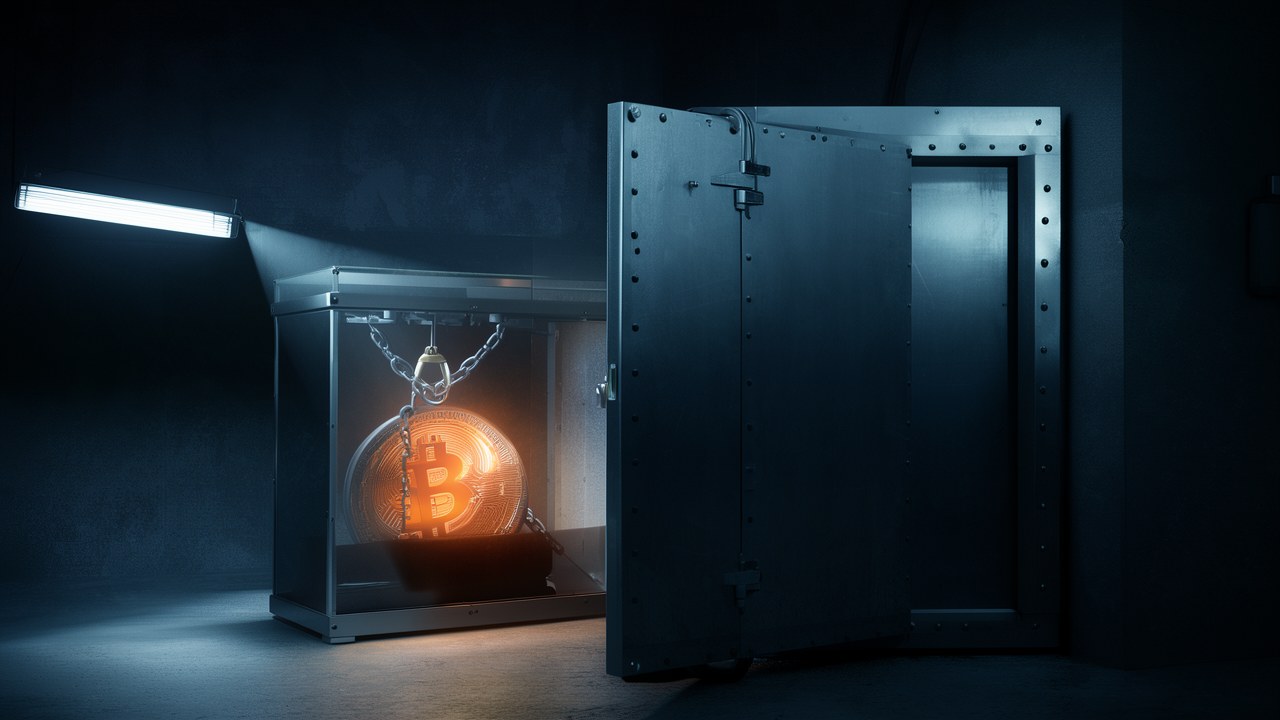
And here is the part nobody is reading past the headline: the bank will not hold your Bitcoin. Neither will you. A third-party custodian will.
What actually happened
Jeonbuk Bank, a subsidiary of JB Financial Group, became the first commercial bank in South Korea to accept Bitcoin as collateral for won-denominated loans. Local outlet EDaily reported it on Monday. The service is limited to corporate borrowers raising operating capital, and Bitcoin is the only digital asset accepted.
The structure is the story:
- The borrower pledges Bitcoin.
- A specialist digital asset custodian holds the coins.
- The bank takes no direct ownership or control.
- The bank says it recovers a defaulted loan from sale proceeds instead of taking Bitcoin into its own wallet.
That last line only works because of what changed on October 1. South Korea’s Civil Enforcement Rules were amended so that courts now have procedures for seizing and liquidating claims to virtual assets. In plain English: the collateral can be sold by court order when you default.
The bank has already made a loan. It confirmed that to IT Chosun and declined to say who borrowed it.
And what Jeonbuk has not disclosed is the entire risk surface: no loan size, no interest rate, no loan-to-value, no collateral ratio, no call threshold, no grace period, no sale timeline, and no name for the custodian holding the coins.
Why this is your problem, not theirs
Notice who carries the risk in this arrangement. Not the bank. Not the custodian. You.
Banks spent a decade telling the world Bitcoin was a toy. Now they want it as security on a business loan – but they want someone else to hold it, and they want a court standing behind them with a liquidation order. That is not a Bitcoin loan. That is a custodial account with a margin call and a judge.
This is the same product shape a US lender bragged about on stage last week: happy to take ownership of your Bitcoin when you default on a mortgage. Different flag, same exit.
Look at the numbers they did not publish. A loan-to-value ratio is the difference between "your collateral dipped" and "your collateral is gone." A call threshold decides how many hours of warning you get before somebody sells. A grace period decides whether you get to fight for your coins or just watch them go.
Jeonbuk has built its own valuation system using prices from multiple global exchanges plus volatility measures. Which means the bank gets to decide what your Bitcoin is worth on the day it matters. You do not.
Bitcoin traded near $83,500 on Monday. Ask what this product looks like at $60,000 – because that is the only version of this product that was ever going to be tested.
The Love Is Bitcoin takeaway
The custodian is the tell.
If a bank is confident enough in Bitcoin to lend real money against it, why does it insist that a third party hold it – and why does the state need new liquidation powers before the product can launch? Because the point of collateral was never to make you money. It is to control the asset at the exact moment you are weakest.
This is what self-custody actually protects you from. Not price. Price is noise. Self-custody protects you from a process: a missed payment turning into a valuation call, turning into a threshold breach, turning into a court order, turning into a sale you did not authorize at a price you did not choose.
A loan against Bitcoin you control is a liquidity decision. A loan against Bitcoin someone else controls is a countdown.
Everything else is custodial risk wearing a nicer suit. And the data still says individuals hold the majority of all Bitcoin – this product exists to move you out of that column.
If you want to put your Bitcoin to work, the tools that keep the keys in your hand are the only ones worth using. Everything else is a promise with a custodian’s name on it – and when the margin call comes, the promise is not the thing that gets sold.
Learn how Bitcoin wallets actually work before you sign anything with a collateral clause. And if you are buying Bitcoin to hold, buy it the way that does not require permission: non-custodial, at loveisbitcoin.com/bull – code LOVEISBITCOIN.
So here is the question worth answering in the comments: if a bank is finally happy to lend against your Bitcoin but refuses to let you keep it, what exactly is it telling you about who really owns the coins?
This article is for education only and is not financial advice.
A BANK WILL LEND YOU MONEY AGAINST YOUR BITCOIN — A CUSTODIAN HOLDS THE KEYS AND A COURT SELLS THEM IF YOU MISS A PAYMENT