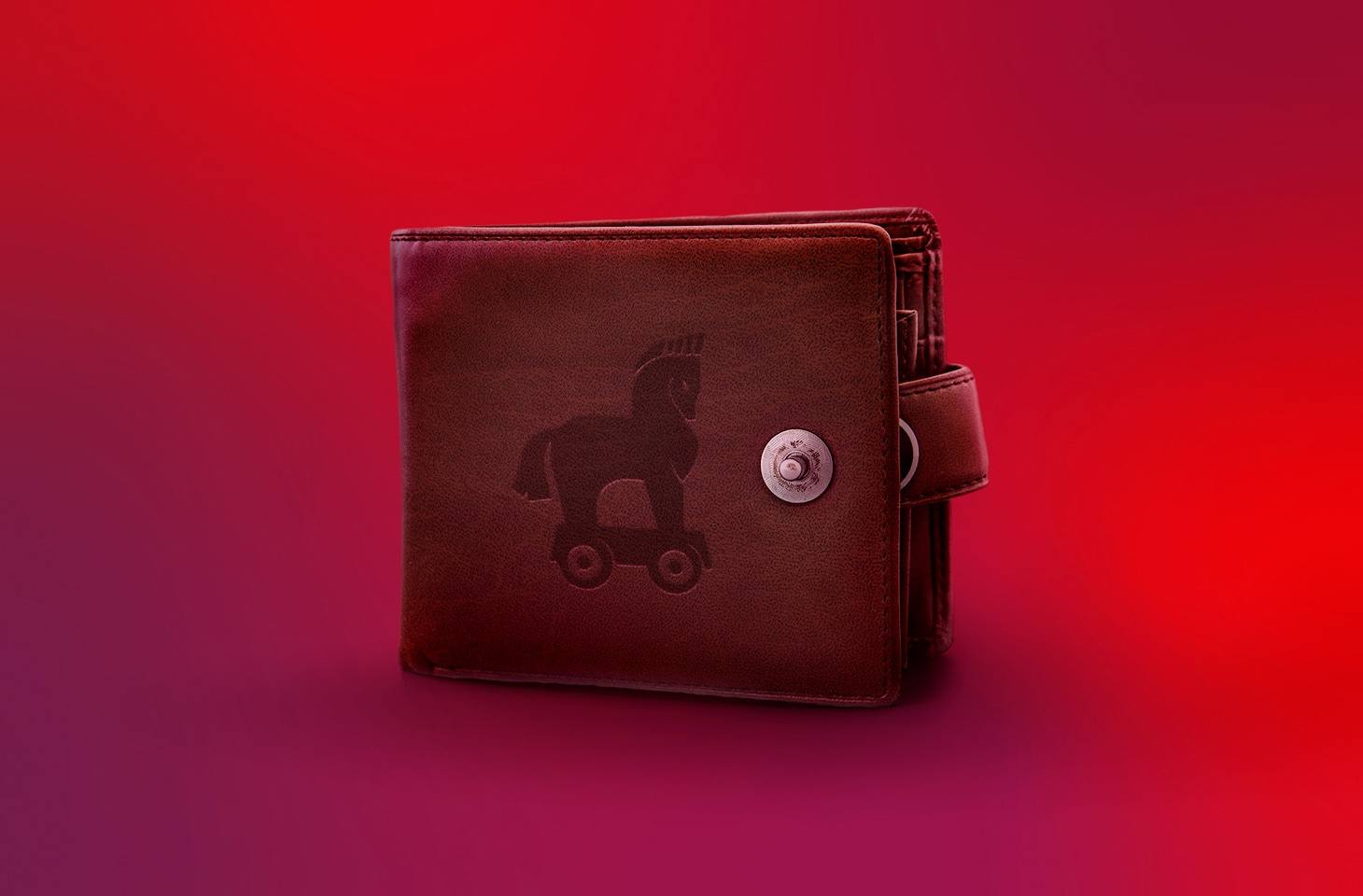

They spent months trying to force Bitcoin to be "pure." They got two blocks, a dead chain, and now the man leading the charge just lost both his titles.
Luke Dashjr — the Bitcoin Core developer who refused to withdraw BIP-110 even when fewer than 3% of miners wanted it — has been REMOVED from his position as a BIP Editor. The motion carried. His fellow editor Mark "Murch" Erhardt filed it on Aug. 9, accusing Dashjr of abusing editorial authority: assigning BIP-110 a number before it was even discussed, fast-merging changes without due process, and leaving fewer than 1% of BIP Editor comments since April 2024.
And Dashjr didn’t just lose the seat. He announced he’s taking a SABBATICAL from his role as chair and chief technology officer of Ocean — the very mining pool whose miners produced the two blocks of his doomed fork.
Let’s be clear about what this was. BIP-110 was a proposal to ban "non-financial data" — images, text, Ordinals — from Bitcoin transactions for a year. The backers called it fighting spam. The critics called it censorship: if you paid the fee, you bought the block space, and no self-appointed guard should decide which transactions count as legitimate.
The market voted. Support peaked at 2.6% of miners — the 55% threshold wasn’t a rounding error away, it was mathematically unreachable. When enforcement triggered at block 961,632 on Saturday, the breakaway chain mined exactly TWO blocks — 961,632 and 961,633 — and went silent. The main chain raced ahead 48 blocks by Sunday morning. The fork inherited Bitcoin’s full mining difficulty with almost no hashpower, so its next difficulty adjustment was roughly 350 DAYS away. It was dead on arrival, and everyone knew it.
Saylor called BIP-110 "a Bitcoin Iatrogenic Proposal" — the medical term for harm caused by treatment. "Bitcoin does not need guardians of purity," he wrote. The network just proved it. The guardians of purity tried to save you from Ordinals and got humiliated in 48 hours.
Now the infighting turns personal. Dashjr calls his removal "an abuse of power." Murch says the record speaks for itself — barely any editor work since 2024, then suddenly a fast-tracked fork proposal he championed. You don’t get to abandon your day job for months and then demand the keys when your pet project needs force.
Here’s what the drama is really about: a tiny group of developers believed they knew better than the market. They thought they could force "monetary purity" down the throat of a network whose entire value proposition is that NOBODY can force anything. And Bitcoin, being Bitcoin, just shrugged and kept mining. No Saylor, no Back, no drama needed — just 59 straight non-signaling blocks from miners who refused to play along.
The exchange halts, the replay-attack warnings, the Lightning complications everyone feared? Never materialized. The "civil war" lasted one weekend and produced less than a day’s worth of blocks. The only casualty was a developer’s chair — and the credibility of everyone who spent months insisting this was about saving Bitcoin.
Bitcoin doesn’t need guardians. It never did. It needs people to stop trying to save it from itself.
So tell me — if a 2.6% minority can’t even force a fork, why do the censorship-pushers keep trying? And which "improvement" is coming next?
Bitcoin won this round — the network refused to break. If you’re done trusting "purity police" and want to hold your own keys, get your hardware wallet with the LOVEISBITCOIN coupon at loveisbitcoin.com/bull. No middlemen. No editors. Just you and the chain.