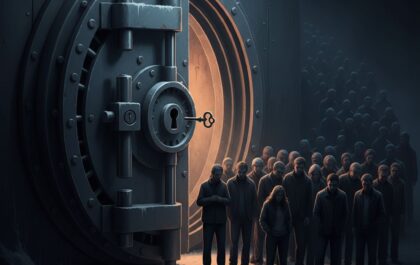
A stranger sent you a microscopic speck of crypto. You never asked for it. You didn’t buy it. You didn’t even notice it. And then your exchange locked your entire account and put you through a compliance interrogation.
That’s not a hypothetical nightmare. That just happened to customers of Kraken, one of the biggest exchanges on earth. The trigger wasn’t a hack. It wasn’t a personal mistake. It wasn’t anything you did. A stranger weaponized the compliance system and used it to attack you — and the exchange happily cooperated.
What Actually Happened (And Why It Should Terrify You)
Between August and now, roughly 12,000 transfers of tiny amounts of sanctioned crypto were sent to addresses linked to Kraken, according to Bloomberg, which cited blockchain sleuths at Arkham Intelligence. The wallet behind the barrage is linked to HTX, the Chinese exchange formerly known as Huobi — the same exchange the European Union sanctioned in July for allegedly helping Russians dodge sanctions.
It’s called a “dust attack.” Send dust to thousands of accounts and you trigger compliance checks everywhere. Kraken’s own spokesperson admitted it: “They likely expect that if sanctioned funds land in a client account, it triggers a full account lock, causing operational disruption for a large number of users.”
Read that again. The attack — which the exchange says is designed to “discredit the broader industry” — works because exchanges will lock you out over coins you never asked for and never owned. The dust lands. The account freezes. You lose access to your money while the compliance machinery slow-walks the paperwork.
They Did It With Tornado Cash Too — And Nobody Learned
This is not new. In 2022, just days after the U.S. Treasury sanctioned Tornado Cash, somebody sent dust from the mixer’s wallet to celebrity addresses — Jimmy Fallon, Logan Paul, even Coinbase CEO Brian Armstrong. Same move, different year: spray sanctioned coins, watch the platforms scramble, and make an entire industry dance.
Only this time, the endgame is nastier. Spread UK/EU-sanctioned funds across the biggest exchanges, trigger mass lockouts, then watch the headlines write themselves: “Crypto exchanges are contaminated.” The attacker doesn’t even need to steal anything. They just need the custodians to do surveillance and lockdown work for them.
The Lie Every Custodial Exchange Tells You
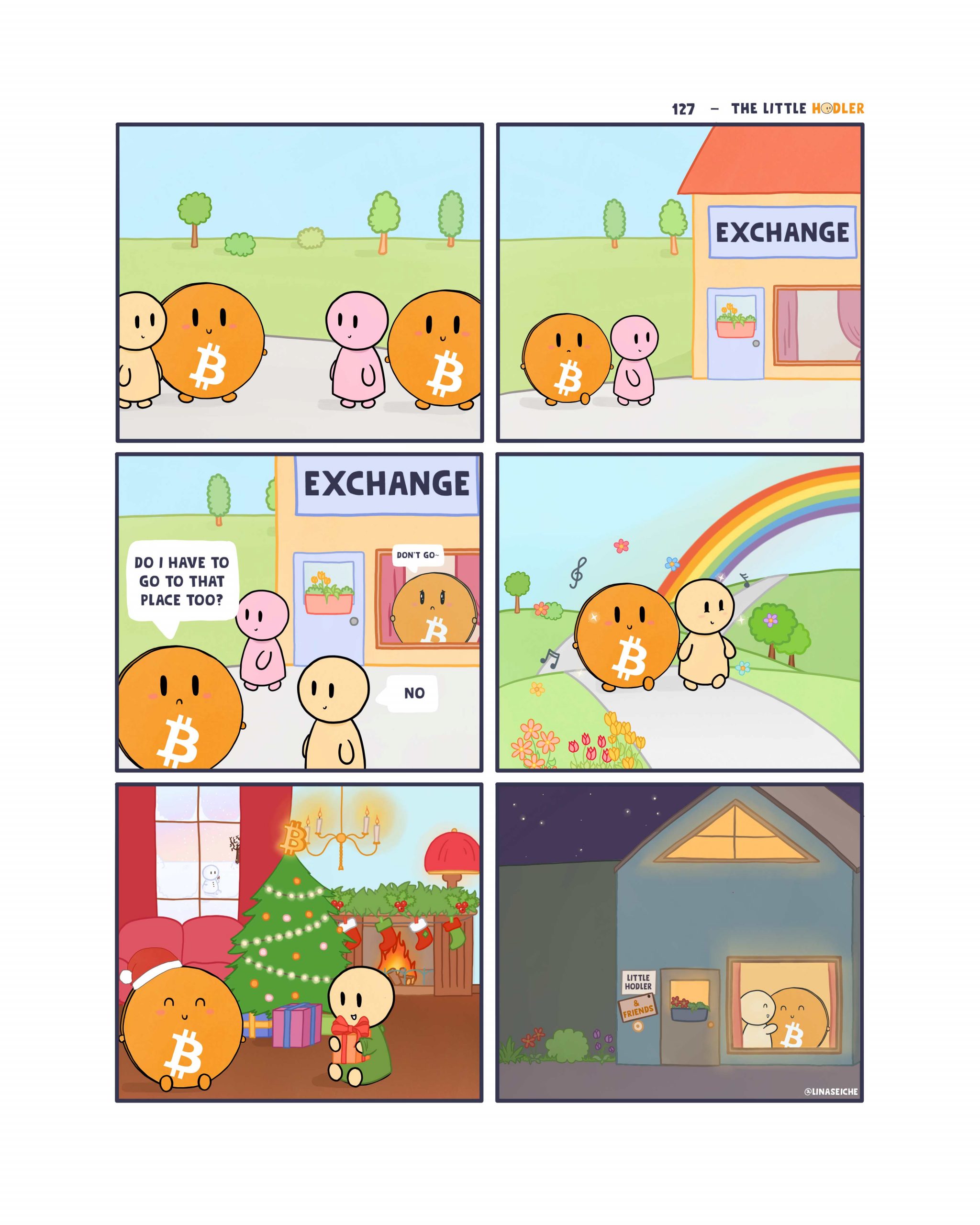
Here’s the part nobody in the industry wants to say out loud: if your exchange can lock your account because a stranger sneezed sanctioned dust at you, then your exchange owns you. Not your keys, not your coins — not even your freedom to stay open for business. The decision to seize your access isn’t even made because you did something wrong. It’s made because someone else abused the system against you.
Kraken says its compliance team “restored access” while “continuing to hold the sanctioned funds.” Great. Now ask yourself: who decided what happened to your account? Who holds your coins while they “figure it out”? And how many minutes does your account remain frozen when a government — not a gang of dust attackers — decides to freeze it?
The Love Is Bitcoin Takeaway
The only account that cannot be dust-locked, compliance-frozen, or surveillance-gated is the one only you hold the keys to. Self-custody isn’t a vibe. It’s the difference between being a customer of a bank with extra steps and being the owner of your own money.
Stop practicing with an exchange. Start practicing with real self-custody — get your sats where they answer to you. Bull Bitcoin, the exchange that isn’t in the business of freezing your funds as a reflex. Use coupon LOVEISBITCOIN at https://loveisbitcoin.com/bull.
If a stranger can lock your exchange account by sending you unsolicited dust, what’s stopping the government from doing the same thing for “security” reasons? Drop your answer below.