
Quick Summary
- On October 7, 2026, Ledger started rolling out "Crypto Loan" inside its Ledger Wallet app, announced at the TOKEN2049 conference in Singapore and powered by the DeFi lending protocol Morpho.
- Eligible users borrow USDC or USDT against wrapped Bitcoin — cbBTC or WBTC — not against the Bitcoin sitting in their own wallet.
- The app defaults to a 50% loan-to-value ratio and charges a 1% borrowing fee. Rates float with demand, and the pledged collateral can be liquidated.
- Crypto lending is booming again: total value locked in lending protocols is up more than 55% since July, to roughly $56 billion.
- Ledger calls it self-custody. In 2022 this exact model — borrow against your coins, trust the counterparty — froze Celsius, BlockFi, Voyager and Genesis.
What Happened
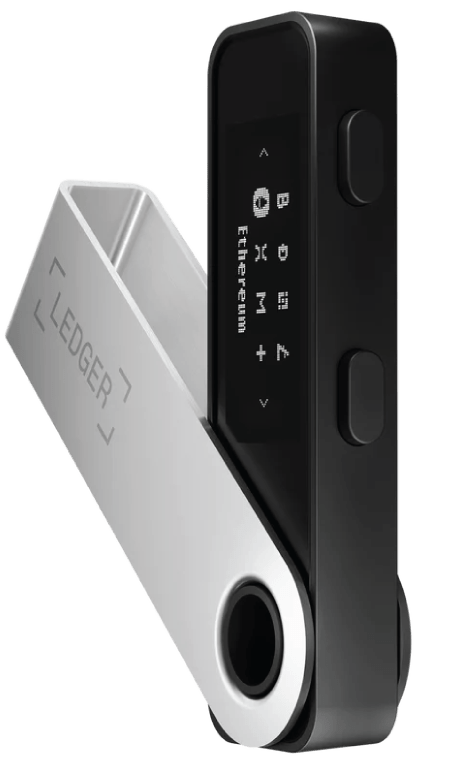
Ledger — the company that has spent a decade selling the slogan "your keys, your coins" — just added a lending desk to its wallet.
The feature is called Crypto Loan. It went live for eligible Ledger Wallet users on October 7, 2026, unveiled at TOKEN2049 in Singapore. The plumbing is not Ledger’s: the loans are powered by Morpho, a DeFi lending protocol.
Here is how it works. You deposit collateral — but not your Bitcoin. Crypto Loan accepts two wrapped Bitcoin tokens, cbBTC and WBTC. In exchange you can borrow stablecoins, USDC or USDT. The app defaults to a 50% loan-to-value ratio, charges a 1% borrowing fee, and the interest rate floats with whatever the lending market is paying that day. If the collateral ratio slips, the collateral gets liquidated. That part is in the terms.
Ledger frames all of it as "self-custody" because the keys stay on your device. But a wrapped Bitcoin token is not Bitcoin. WBTC and cbBTC are IOUs issued by custodians — one by BitGo, the other by Coinbase. You are not pledging your coins. You are converting them into somebody else’s promise, and then pledging the promise.
And the timing is not subtle. Ledger launched this into the middle of the second crypto lending boom of the decade. Total value locked in crypto lending protocols has climbed more than 55% since July, to roughly $56 billion. SALT Lending, one of the oldest desks in the business, says it has now funded more than $2 billion in Bitcoin-backed loans since 2016 and claims borrowers are using them for tuition and payroll, not just leverage. S&P Global just started issuing risk grades on roughly $10 billion of crypto lending vaults.
Everybody is building the same machine again. The first one cost billions.
Why This Matters for Bitcoin
Bitcoin was designed so that nobody has to lend it to you, borrow it from you, or hold it for you. That is the whole point: you hold a key, you own the money, and no counterparty can fail on you.
Lending changes the shape of that. The moment you pledge coins for a loan, you have re-created the exact thing Bitcoin was invented to remove — a financial intermediary whose solvency decides whether you keep your money. Celsius looked like a yield app until it froze withdrawals. BlockFi looked like a savings account until it filed. Voyager and Genesis looked like lending desks until the contagion arrived. None of them advertised "your coins might get stuck." They advertised convenience.
The detail that matters most here is the wrapper. A hardware wallet secures a private key. It does not secure a claim on a custodian’s balance sheet. If your collateral is WBTC or cbBTC, your device is protecting a key that controls an IOU — and the security model that made you trust the hardware no longer describes the risk you are taking. The risk moved. The sales pitch did not.
The Love Is Bitcoin Takeaway
This is not a story about whether you can borrow against Bitcoin. You can, and people do. This is a story about who the borrow button is for.
Look at where the button sits. It is inside the app of a company whose entire brand is "we do not hold your coins." That placement does a lot of work. It tells a normal person: this must be safe, because it is in my hardware wallet. But the loan is not secured by your hardware wallet. It is secured by a wrapped token, issued by a custodian, lent through a protocol, priced by a market that can liquidate you while you sleep.
There is also a fee stack worth naming. Ledger takes a borrowing fee. Morpho’s lenders take interest. The wrapper issuer takes its cut. The people building the rails get paid whether your loan works out or not. You are the only party on that list who can lose the collateral.
This is the same pattern we flagged when Galaxy reopened borrow-against-Bitcoin credit lines at 8.99% APR, and the same pattern in the Coinbase-backed mortgage deal where "locked custody" turned out to mean the lender can reuse your collateral. The industry keeps re-learning that a custodial claim with a nicer interface is still a custodial claim.
If you want exposure to Bitcoin, buy it and hold it. If you need liquidity, understand that every route built on top of Bitcoin is a route where somebody else’s solvency becomes your problem. Before you pledge anything, run your own threat model — not the one the app screen handed you.
What Beginners Should Do Next
- Learn the difference between Bitcoin and a claim on Bitcoin. WBTC, cbBTC and any "wrapped" or "yield-bearing" token are IOUs. They can trade at a discount, freeze, or fail.
- Learn what collateral and liquidation actually mean. A 50% loan-to-value ratio sounds conservative until price drops and the collateral is sold at the worst possible moment.
- Understand custodial vs non-custodial, and where the line really is. If a third party’s failure can cost you the coins, you are custodial — no matter what the app calls it.
- Never borrow against more than you can monitor. Loans need watching. Markets do not wait for you to wake up.
- Start with education before yield. There is no honest yield without risk, and the risk is paid by whoever is left holding the collateral.
FAQ
Can you borrow against Bitcoin in a Ledger wallet now?
Yes. Ledger’s Crypto Loan feature, launched October 7, 2026, lets eligible Ledger Wallet users borrow USDC or USDT against wrapped Bitcoin collateral.
Is Ledger’s crypto loan self-custody?
Ledger says the keys stay on your device. But the collateral is a wrapped Bitcoin token (cbBTC or WBTC) issued by a third-party custodian, so the loan depends on counterparties well beyond your hardware wallet.
What is wrapped Bitcoin?
Wrapped Bitcoin is a token that represents Bitcoin held by a custodian. It is a claim, not the underlying coin. If the custodian fails or the token depegs, the wrapper loses value.
What are the terms of Ledger’s Crypto Loan?
A default 50% loan-to-value ratio, a 1% borrowing fee, variable interest rates tied to the lending market, and liquidation risk on the pledged collateral.
Is crypto lending safe in 2026?
Crypto lending total value locked is up more than 55% since July, to roughly $56 billion. Growth is not safety. In 2022 the same model froze Celsius, BlockFi, Voyager and Genesis.
Does this mean Bitcoin is in trouble?
No. The Bitcoin network does not care what people build on top of it. The risk sits with the borrower, not with the protocol.
Should beginners use Bitcoin-backed loans?
Only with a clear understanding of liquidation, counterparty risk, and the difference between holding Bitcoin and holding a token that promises Bitcoin.
Is this financial advice?
No. This article is for education only.
Final Thoughts
Ledger sold you a device so you would never have to trust a bank with your coins. This week it handed you a button that asks you to trust a custodian, a protocol and a liquidation engine — and called it self-custody.
The last lending boom ended with billions in frozen withdrawals and almost nobody in prison. The machine is being rebuilt right now, with better branding and the same fine print.
Want to stack Bitcoin the boring way, with no lending desk in the middle? Our Bull Bitcoin link — coupon code LOVEISBITCOIN — is at https://loveisbitcoin.com/bull
Here is the question: would you ever pledge your Bitcoin for a loan, or is borrowing against your coins the one line you will never cross? Tell us in the comments.
Sources: Ledger’s Crypto Loan rollout (announced at TOKEN2049 Singapore, October 7, 2026) and Morpho; coverage via Decrypt, The Defiant and crypto.news; lending market data from Galaxy Research and October 8, 2026 market reports; SALT Lending disclosures, October 8, 2026.
This article is for education only and is not financial advice.
LEDGER SPENT 11 YEARS SELLING YOU SELF-CUSTODY. NOW IT WANTS YOU TO PLEDGE A WRAPPED COPY OF YOUR BITCOIN TO A LENDING PROTOCOL.