Your hardware wallet holds your keys. Great start. But here is the question nobody asks beginners: when your wallet shows a balance, who checked the rules? If the answer is someone else’s server, your self-custody has a hole in it. The keys are yours, but the truth comes from a stranger.
A node closes that hole. It enforces Bitcoin’s rules locally and tells your wallet what is real. Keys plus node equals actual sovereignty. One without the other is half the job.
The pair that completes the stack
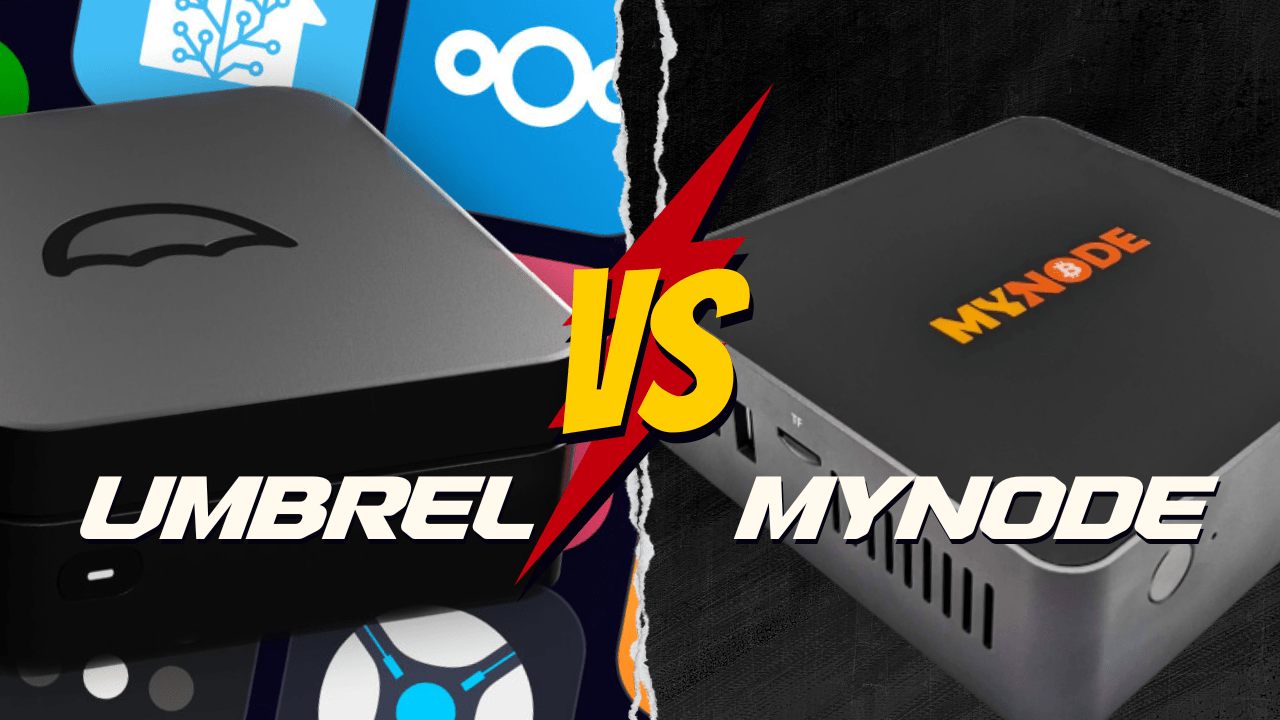
I run a Blockstream Jade for signing and an Umbrel for verifying. The Jade keeps my keys offline, air-gapped, untouchable. The Umbrel sits at home checking every block, running my Lightning channels, and serving my wallet over my own connection. Nothing about this setup asks a third party for the truth. Check our Blockstream Jade cold storage guide if you have not picked a signer yet.
Umbrel even ships apps that talk to your hardware wallet directly, so signing and verifying live side by side in one dashboard. Plug it in, install the node app, connect your wallet. That is the whole ceremony.
Why both, why now
Because custodians keep failing on schedule. Study why custodial exchanges fail and notice the pattern never changes: your coins on their servers, their problems become your losses. Bitcoin Depot, a major ATM operator, filed for bankruptcy, and if an ATM company can go under with customer funds in the blast radius, your exchange absolutely can too.
Read our guide to choosing a Bitcoin wallet to get the signing side right, then give that wallet something honest to talk to. A ten-minute Umbrel setup turns your hardware wallet from a safe box into a full sovereign stack.
Get yours
Get your Umbrel with code LOVEISBITCOIN for a discount and finish the job your hardware wallet started. This article is for education only and is not financial advice.
Self-Custody Needs a Node: Umbrel + Hardware Wallet