
Start9 Built a Router. It Runs Your Whole House and Answers to Nobody.
You own your coins. You run your own node. You bought the hardware with your own money and it sits on your own shelf.
And then every single packet that leaves your home goes through a plastic box from a company you have never spoken to, running firmware you cannot read, updating itself at three in the morning.
That box decides what your devices can reach, who can reach them, and what your ISP gets to see about all of it. Start9 just shipped a router that takes that decision back. It is called the RISC-V Router and it runs StartWRT, Start9’s own fork of OpenWrt.
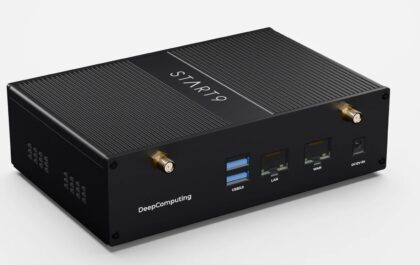
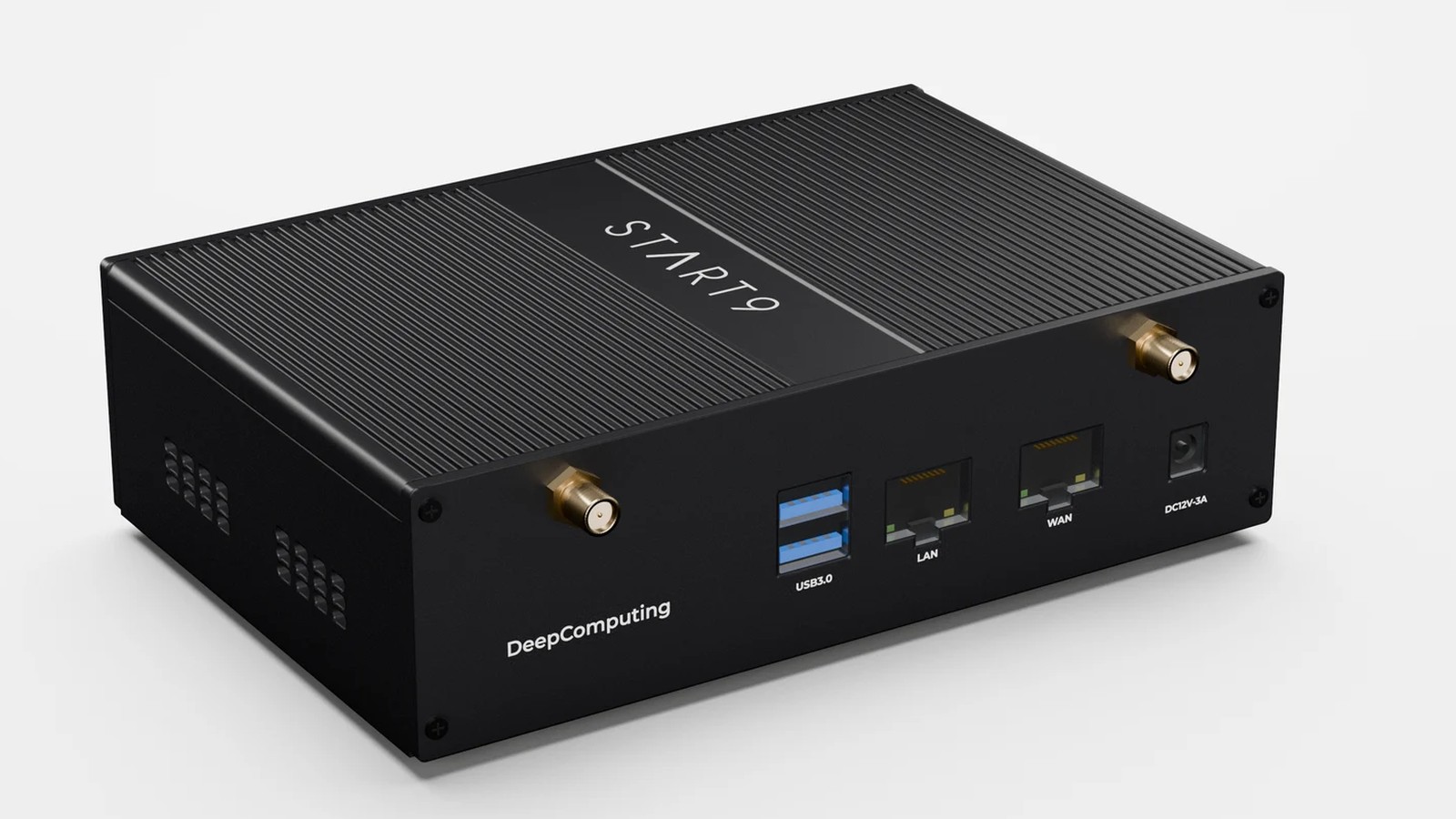
What is actually in the box
- Processor: SpacemiT K1, eight 64-bit RISC-V cores
- Memory and storage: 4 GB LPDDR4, 16 GB eMMC
- Ethernet: one gigabit WAN, one gigabit LAN, plus a four-port switch in the box
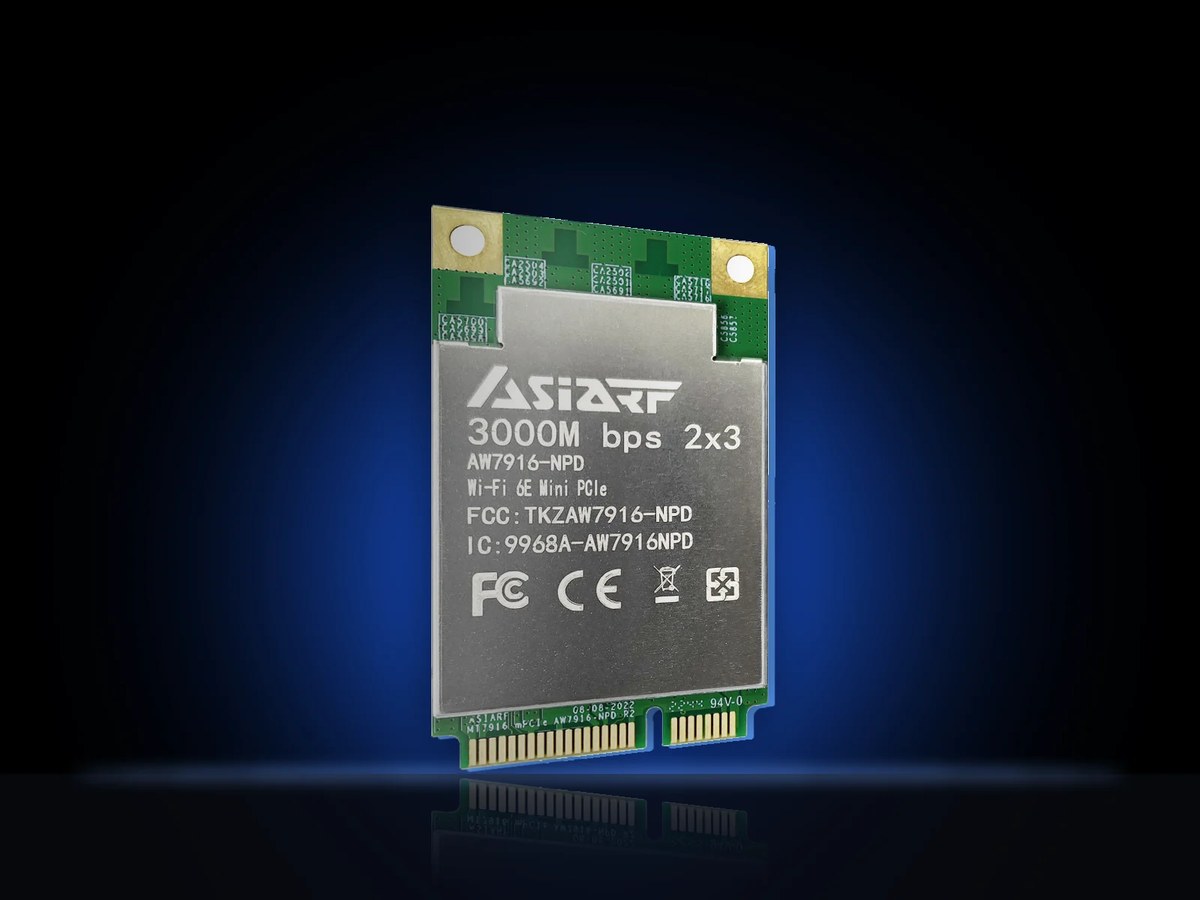
- Wi-Fi: Wi-Fi 6E on a replaceable mini PCIe module, running 2.4 GHz and 5 GHz at the same time
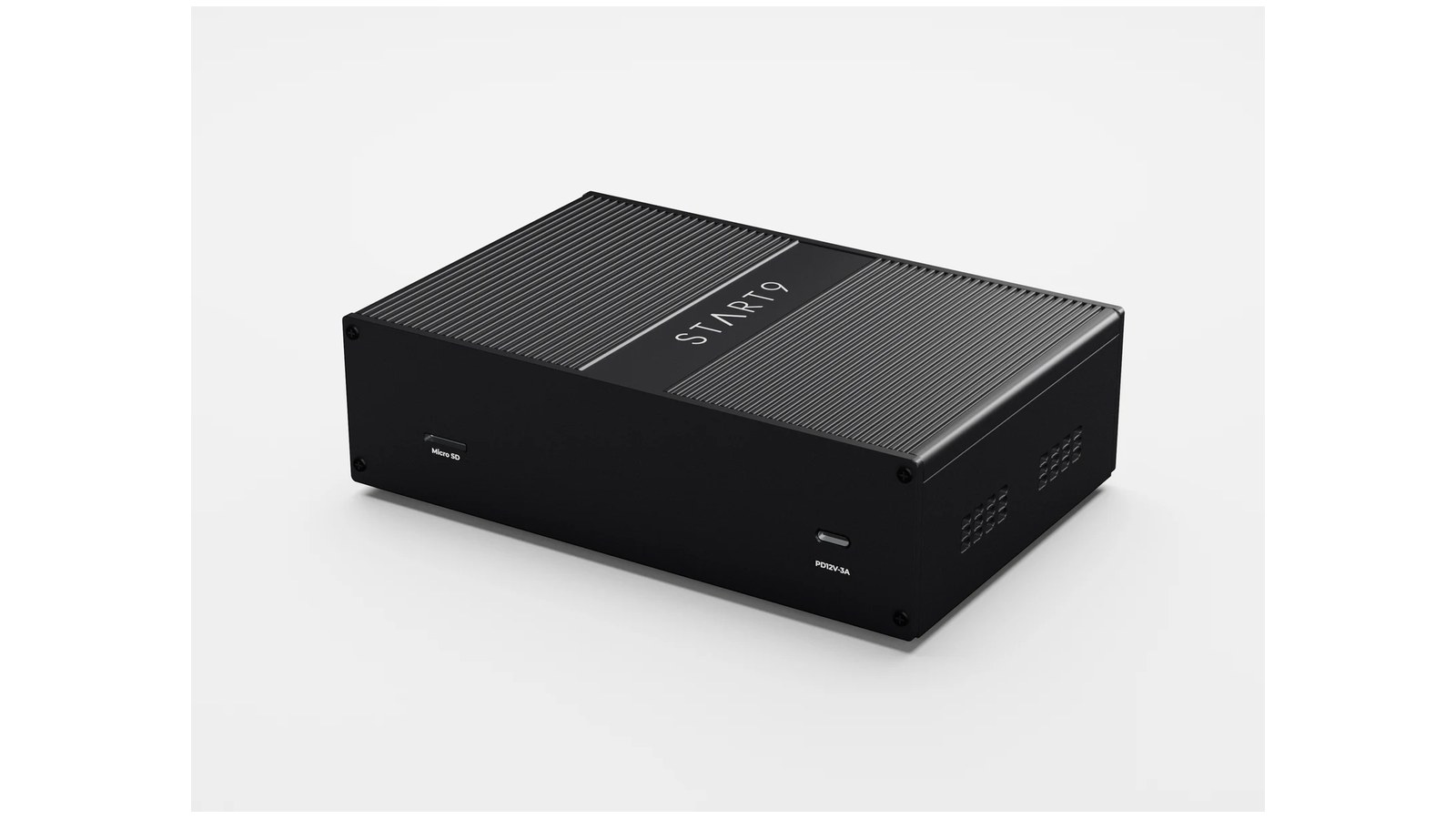
- Ports: two USB 3.0, one USB-C, one microSD slot
- Software: StartWRT preinstalled, MIT licensed
- Included: a year of Premium Support, the same $200 subscription Start9 sells separately, which means the team that writes the software sits in the same chat as you
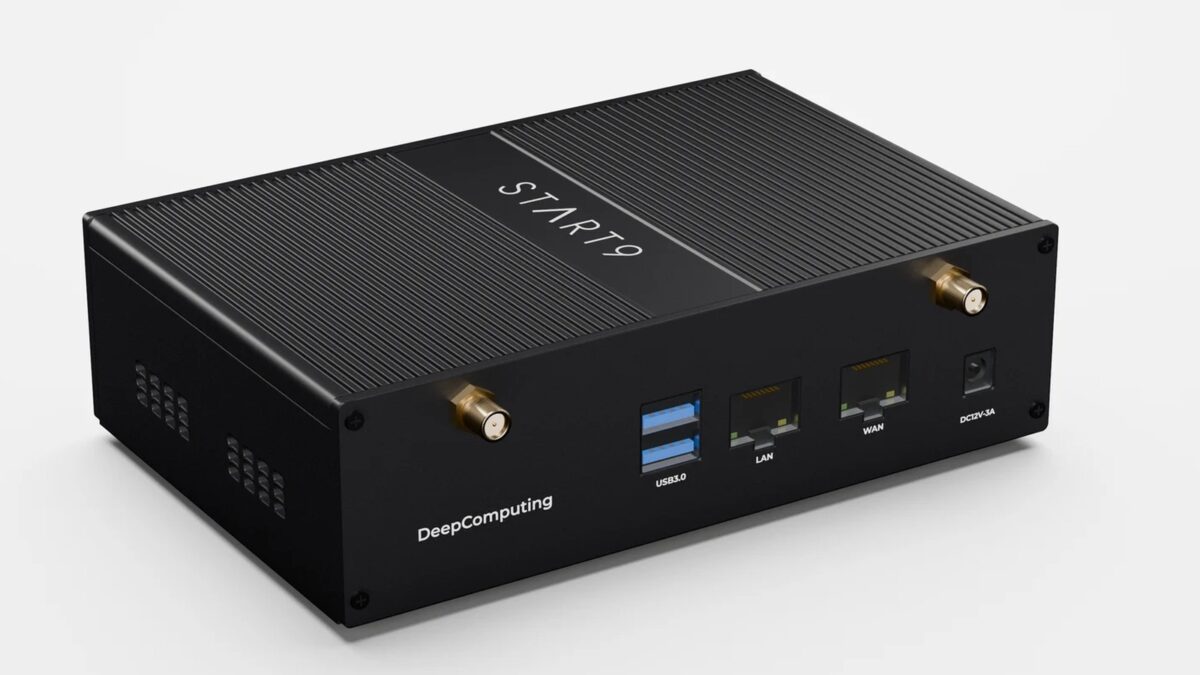
It is a small metal brick, about six inches across, with antennas screwed onto the back. It looks like networking gear because it is networking gear. Nothing about it is decorative.
The router is the gatekeeper and always was
Every smart TV, thermostat, camera, phone and laptop in your house passes through one device to reach the internet. That device knows when you wake up, which rooms are occupied, what time you go to bed, what sites every device touches, and which devices talk to each other behind your back. Cheap consumer routers treat that position as a place to sell you a subscription and report telemetry.
A router you own changes the arithmetic. StartWRT lets you put every device in the house into a separate network profile: Admin for your machines, Children for the tablets, Guest for visitors, Smart Devices for the thermostat and the TV that you do not trust and cannot remove. Each profile gets its own subnet and firewall rules, so the television cannot see the laptop, and the guest cannot see either of them. You do not edit firewall zones to do this. You create a profile and the VLAN, the subnet, the DHCP server and the firewall zone are built underneath it.
Traffic can be routed through a VPN per profile, or through two VPNs in a row, so the first provider knows who you are and the second knows where you are going. If a tunnel drops, that profile’s traffic stops instead of falling back to your home connection and waving at your ISP. Each profile can use its own DNS servers over HTTPS, so your lookups do not go to whichever resolver your ISP hands out in the morning.
It opens ports without opening your house
If you run a StartOS server, this is the part worth reading twice. Grant the server two permissions and it opens the ports its public services need, and publishes the names of its private domains so every device in the house finds them. Everything else stays shut. A device that opens its own port has to renew the permission, and the port expires when it stops asking. Several services can share port 443 by hostname instead of fighting over it.
That last detail is what home networking has been missing for twenty years. A device gets what it asks for, for as long as it keeps asking, and nothing more.
The honest part
Start9 publishes the list of what is not open, which is rare enough to be worth quoting. The Wi-Fi radio firmware is closed, because no manufacturer ships an open Wi-Fi 5 or 6 module, and the radio is a module you can remove. The router runs without it. Two early boot binaries, the DRAM initialization and the first stage bootloader, also remain closed today, and Start9 says they are working on replacing them.
Everything else is open: the RISC-V instruction set, the board’s reference schematic, OpenSBI and U-Boot, the Linux kernel, the Wi-Fi driver, and StartWRT itself under the MIT license. There is no account to create and no cloud to depend on. Every setting is a standard OpenWrt file you can open and read. The command line and LuCI are still there if you want them, and updates are signed and never install themselves.
Why this is landing now
In March 2026 the FCC added foreign-produced consumer routers to its Covered List after a national security determination, which means new models from those manufacturers cannot get equipment authorization in the United States without conditional approval. Roughly sixty percent of American home routers were made in China. The regulatory ground under the cheap router market just moved, and every router sold in the United States is now a supply chain argument as much as a networking one.
You can wait and see how that plays out. Or you can put a router in your house that runs software you can audit, on hardware with a published schematic, made by a company that has spent years shipping open source Bitcoin infrastructure.
Should you buy one
If your current setup is a rented box from the ISP with an app you barely open, this replaces it and teaches you what your network was doing without you. If you already run a Start9 server, this is the missing half of the setup: the server holds your data, the router decides who can reach it.
It is not a consumer mesh system. One gigabit WAN, one gigabit LAN, Wi-Fi 6E on a module you buy and can replace later, and a browser interface that explains every setting in plain language instead of hiding behind an app. The point is not raw speed. The point is that the box answering to nobody is in your house now.
Get the router with the code
Start9 keeps a discount for readers of this site. Use the code below at checkout.
Coupon code: LOVEISBITCOIN
https://loveisbitcoin.com/start9
That link takes you to the Start9 page for readers here: the RISC-V Router, the Server One, StartOS, and the coupon applied.
Start9 Built a Router. It Runs Your Whole House and Answers to Nobody.